
Healthcare video content must comply with HIPAA’s patient privacy protections, which govern how a patient’s identity, likeness, voice, or personal health information can be shown or referenced in video, along with facility-specific consent processes and marketing-release requirements set by the hospital, clinic, or practice itself. Every healthcare organization should confirm its specific compliance obligations with its own legal or compliance counsel before production begins — general guidance can’t substitute for a facility’s own policies.
At the federal level, HIPAA sets the baseline: any content that could reveal a patient’s protected health information requires documented authorization before it’s filmed, edited, or published. That authorization is separate from a standard talent release — it specifically addresses how health-related information can be used, for how long, and in what context. Facilities typically layer their own internal consent and marketing policies on top of this baseline, which is why compliance requirements can look different from one healthcare system to the next even though the underlying federal rule is the same.
This distinction matters for planning a shoot. Compliance isn’t a single form signed once — it’s a process that touches pre-production (identifying who can appear and under what authorization), the shoot itself (managing what’s visible in frame, including other patients, charts, or screens in the background), and post-production (confirming the final edit matches what was actually authorized before it’s published).
What is a HIPAA-compliant video release form?
A HIPAA-compliant release form authorizes the specific use of a patient’s image, voice, or health information in video content, separate from a general appearance release. It typically specifies what will be filmed, where the video will be published, how long the authorization lasts, and whether the patient can revoke consent later. Facilities often have their own version of this form already built into their compliance process, so the first production step is usually confirming which document the organization already uses rather than introducing a new one.
Can patients appear in healthcare marketing videos?
Yes, but only with documented, informed consent that specifically covers marketing use, which is a higher bar than consent for internal or educational content. A patient agreeing to be filmed for a training video isn’t automatically consenting to appear in an ad campaign — those are typically treated as separate authorizations. Healthcare marketing teams generally work directly with legal or compliance staff to confirm which release language covers which use case before a shoot is scheduled.
What happens during a HIPAA-compliant video shoot in a clinical setting?
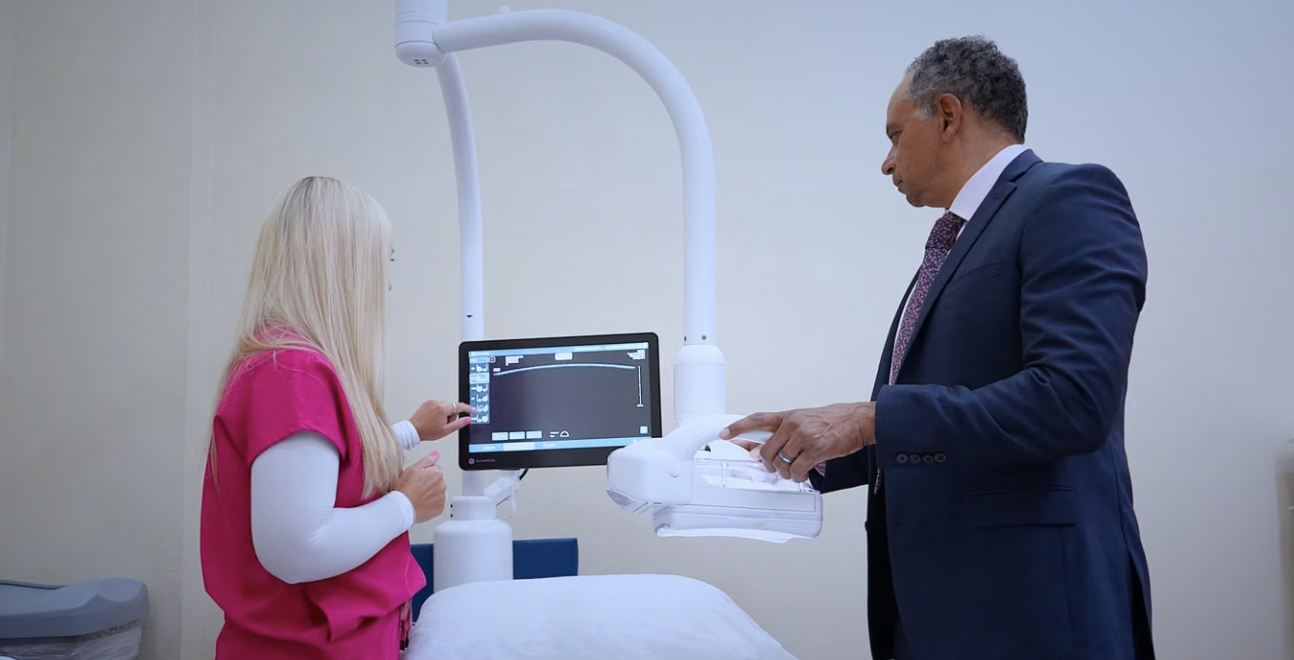
Crews typically coordinate with the facility’s compliance or marketing liaison to control what’s visible in frame — other patients, medical records, whiteboards, or monitors that could reveal information beyond what’s authorized. This often means scouting the location in advance, confirming shoot windows that avoid active patient care areas, and having a facility staff member present to flag anything that shouldn’t be filmed. None of this replaces the facility’s own compliance sign-off — it’s a production practice that supports it.
Healthcare video production carries more coordination upfront than most other corporate video work, but the process becomes straightforward once a facility’s compliance team is looped in from the start rather than brought in after a shoot is already planned. If your organization is scoping a healthcare video project, our medical video production team works directly within these requirements from pre-production through delivery.
