How DC Hospitals and Clinics Use Video to Improve Staff Training and Patient Safety
Hospitals and clinics across the Washington, D.C. metro area are under constant pressure to train staff quickly, clearly, and consistently while maintaining the highest standards of patient safety. A well-produced medical training video gives your team a repeatable, on-demand resource that makes complex procedures easier to understand and follow. When done strategically, it becomes one of the most efficient ways to improve both staff performance and patient outcomes.
Why Medical Training Videos Matter for Washington, D.C. Healthcare Organizations
Medical training video production in Washington, D.C. helps healthcare organizations standardize how critical information is taught. Instead of relying on one-time in‑person sessions that vary by instructor, a single video module can deliver the same clear guidance every time it is viewed. This creates alignment across departments, shifts, and facilities, which is especially important for larger systems, teaching hospitals, and multi-location practices in the region.
These training assets are also powerful tools for improving patient safety. Visual demonstrations of procedures, equipment usage, and safety protocols reduce ambiguity and guesswork. Staff can see exactly how a process should be performed, from infection control steps to medication administration workflows. This visual clarity helps reduce preventable errors, reinforces existing safety policies, and supports a culture where best practices are consistently followed.
On-Demand Learning for Busy DC Hospitals and Clinics
In a fast-paced environment like Washington, D.C., where hospitals balance high patient volume with staffing challenges, flexibility is crucial. On-demand medical training videos allow new hires, travel nurses, and rotating residents to learn at the point of need. Instead of waiting for the next scheduled in-service, they can access short, focused modules from a workstation, break room, or secure mobile device. This makes orientation more efficient and ensures that critical training materials are always available when questions arise.
Video-based training also supports ongoing education and compliance. Regulatory requirements frequently evolve, and it can be difficult for in-person training to keep pace. When your organization uses medical training video production as part of a structured content library, updating or adding a module is far more efficient than continuously scheduling live sessions. Staff receive the most current guidance, while administrators can track completion and demonstrate compliance more easily to internal and external stakeholders.
Turning Complex Medical Information Into Clear, Visual Training
From a communication standpoint, video is uniquely equipped to simplify complex medical information. Animations, close-up shots, on-screen graphics, and voiceover can work together to break down procedures into clear steps. This is particularly valuable for explaining new technologies, updated protocols, or high-risk workflows. For many staff members, visual and auditory learning is more engaging and memorable than a written policy or slide deck alone.
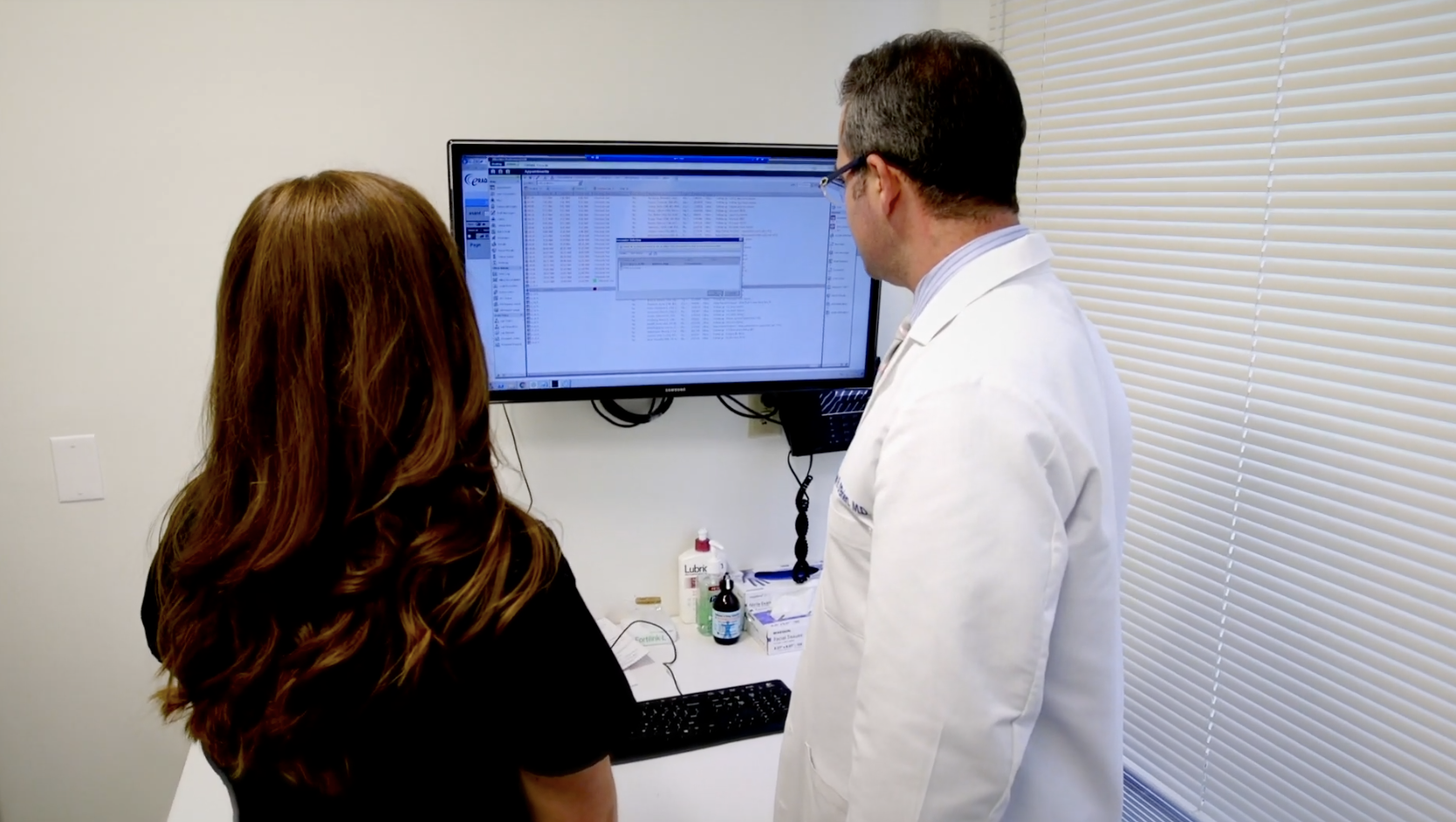
For Washington, D.C. hospitals and clinics, partnering with a professional medical video production company adds additional benefits. An experienced team understands how to capture procedures safely, protect patient privacy, and work within clinical environments without disrupting care. They can also help script content, coach on-camera subject matter experts, and design graphics that align with your brand and existing training materials. The result is a polished resource that reflects the professionalism of your organization.
Building a Strategic Medical Training Video Library in DC
A strategic approach to medical training video production should start with your highest-risk or highest-impact topics. Many DC-area healthcare organizations begin with modules focused on infection prevention, high-alert medications, emergency response protocols, or use of specialized equipment. From there, they often expand into broader topics like onboarding, patient communication, and interdepartmental workflows, gradually building a comprehensive training library that reduces redundancy and saves staff time.
Video training also supports better measurement. When hosted on a learning management system or secure internal platform, your organization can track who watched which module, how much they viewed, and how often they return to specific content. Paired with short assessments or skills checklists, these metrics help educators and leadership evaluate whether staff are actually absorbing the material and where additional support may be needed.
Next Steps for DC Hospitals and Clinics
If your hospital or clinic in the Washington, D.C. metro area is ready to modernize staff training and strengthen patient safety, a focused medical training video strategy is an excellent place to start. Begin with one high-impact topic, define clear learning objectives, and collaborate with a production partner that understands both healthcare environments and the local DC landscape. Over time, your video library will become a core asset that equips your team, supports compliance, and helps deliver safer, more consistent care to every patient you serve.
